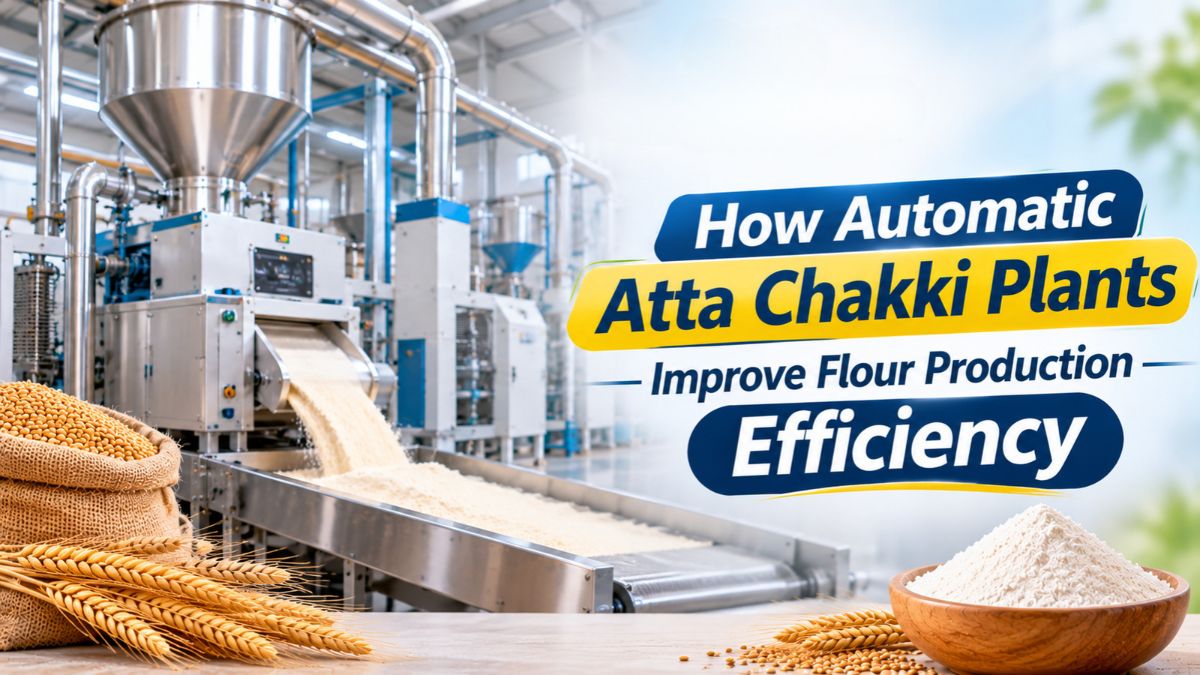
How Automatic Atta Chakki Plants Improve Flour Production Efficiency
The flour milling industry is changing with the introduction of modern machinery and automated processing systems. Traditional flour mills often depend on manual operations for wheat cleaning, grinding, sieving, and packaging. These activities can take considerable time and may lead to inconsistent production when the workload increases. Modern milling technology helps businesses manage these processes more efficiently while maintaining better control over flour quality.
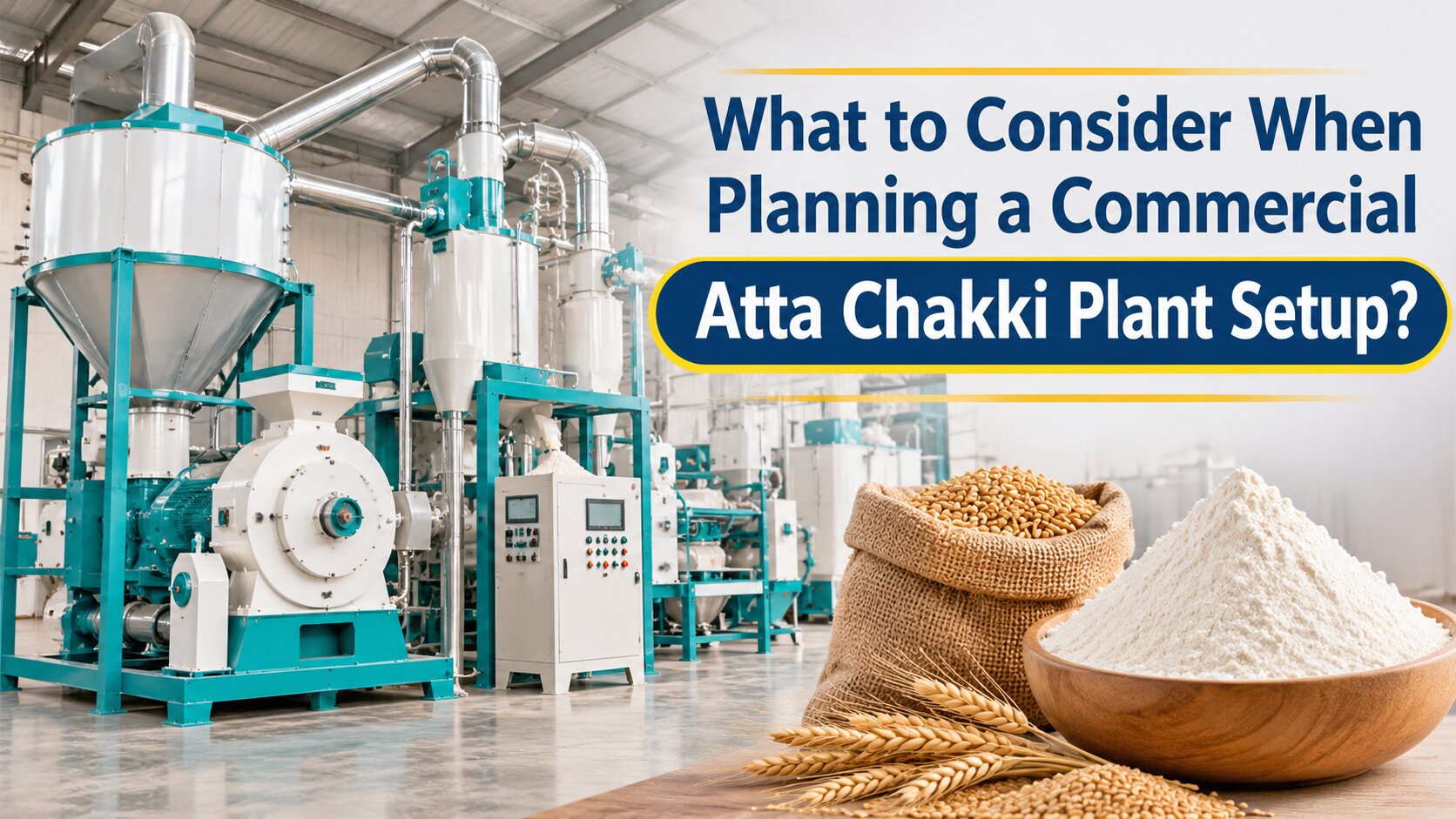
An automatic atta chakki plant is designed to streamline different stages of flour production through integrated machinery and automated operations. From handling raw wheat to producing and collecting finished flour, these systems help reduce manual involvement and improve overall productivity. They are suitable for commercial flour mills, food processing businesses, and entrepreneurs planning to establish or expand a milling unit.
Understanding how these plants work and what benefits they offer can help business owners make informed decisions when selecting machinery for their operations.
1. What Is an Automatic Atta Chakki Plant?
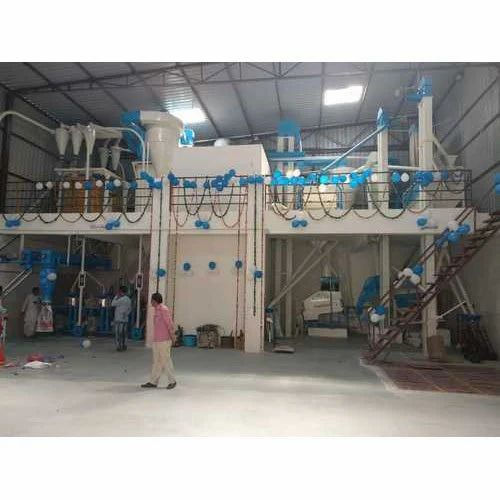
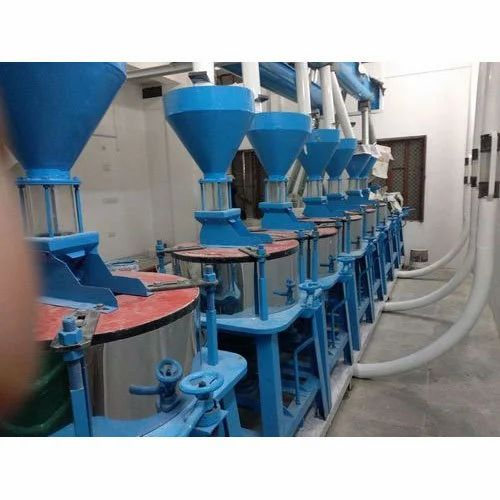
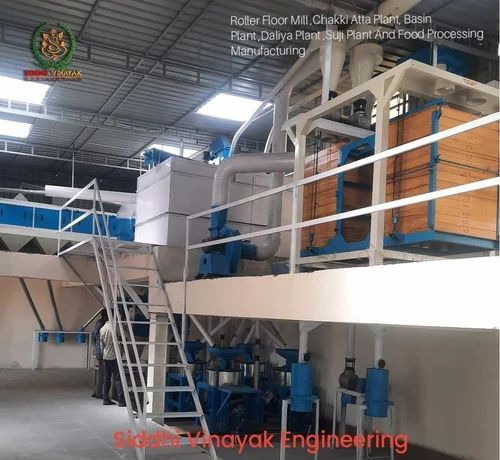
An automatic atta chakki plant is a flour processing system that uses connected machines to perform various stages of wheat milling. Depending on its design and production capacity, the plant may include wheat cleaning equipment, elevators, storage units, grinding machines, sifters, conveyors, and flour collection systems.
Unlike conventional setups where several activities require separate manual handling, automated plants coordinate multiple operations. This helps maintain a smoother production flow and reduces unnecessary movement of raw materials.
The plant can be designed according to the required output, available space, wheat processing requirements, and business needs. Small commercial units and large-scale flour manufacturing facilities may require different configurations.
2. How Does an Automatic Atta Chakki Plant Work?
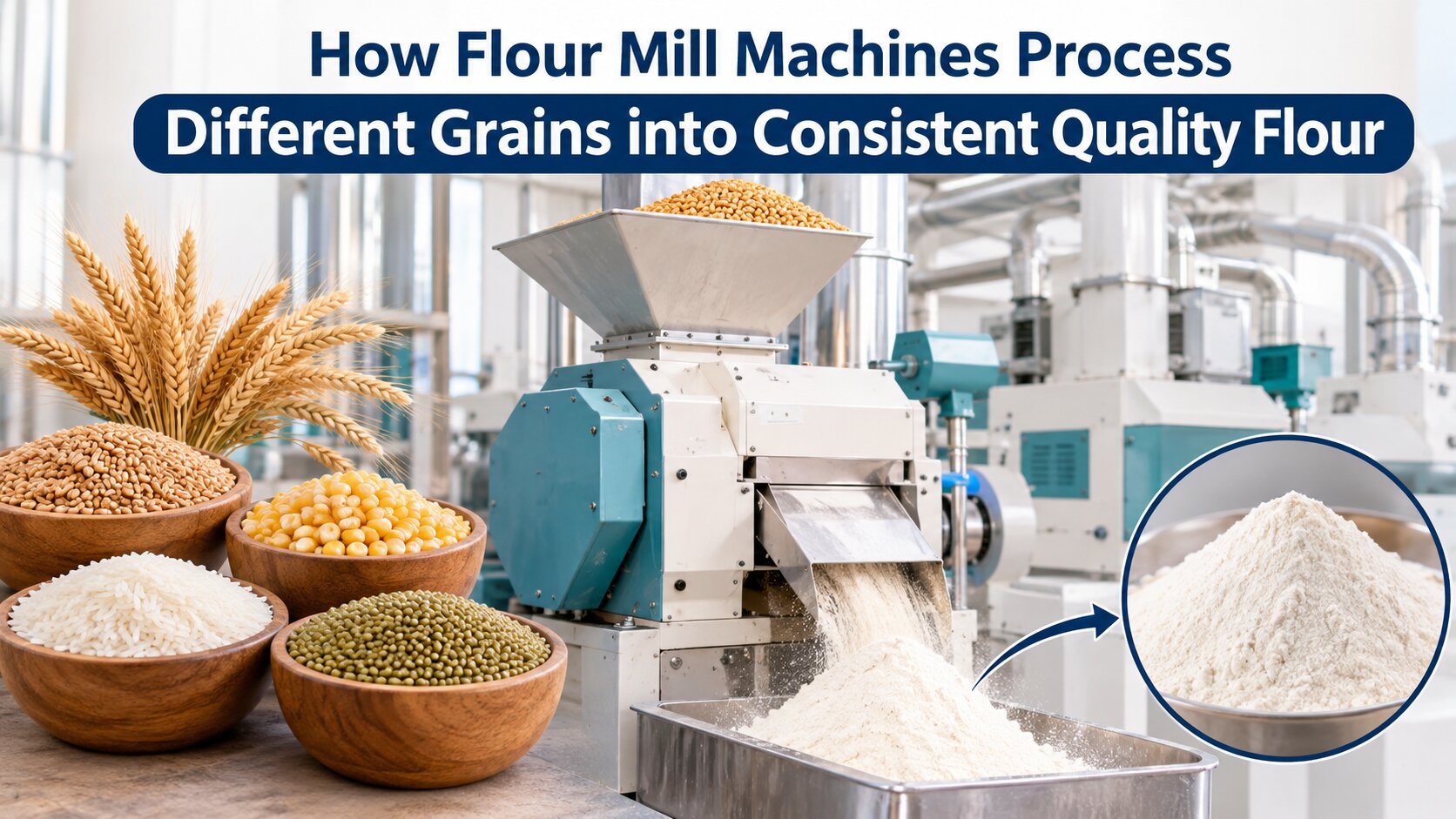
The flour production process involves several stages. Each stage contributes to the quality, consistency, and efficiency of the final product.
Wheat Cleaning
Raw wheat may contain dust, stones, husk, and other unwanted particles. Cleaning equipment helps remove these impurities before grinding. Proper cleaning protects machinery from unnecessary wear and supports better flour quality.
Wheat Feeding and Conveying
After cleaning, wheat is transferred to the grinding section through feeding systems, elevators, or conveyors. Automated material handling reduces repeated manual movement and helps maintain a continuous supply of raw material.
Grinding Process
The cleaned wheat enters the grinding machine, where it is processed into flour. Grinding requirements depend on the desired flour texture, wheat variety, and machine configuration. Properly adjusted machinery helps achieve consistent particle size and suitable flour characteristics.
Sieving and Separation
After grinding, the flour may pass through sieving equipment to separate particles according to size. This stage helps achieve the required texture and can separate larger particles for further processing when the plant design supports it.
Flour Collection and Packaging
The processed flour is collected in designated storage or collection systems. Depending on the plant configuration, weighing and packaging equipment may also be included to prepare flour for distribution and sale.
3. How Automation Improves Production Efficiency
Automation improves flour milling by making operations more organised, reducing avoidable delays, and supporting better process control.
Faster and More Continuous Processing
Automated feeding, conveying, grinding, and sieving systems help maintain a steady movement of materials. This reduces interruptions between processing stages and allows the plant to handle larger production requirements more effectively.
Reduced Manual Labour
In traditional milling setups, workers may need to move wheat, transfer flour, monitor separate machines, and handle several repetitive tasks. Automation reduces the need for manual involvement in many of these activities. Workers can focus more on supervision, quality checks, and maintenance.
Better Production Consistency
Consistent processing conditions are important for commercial flour production. Automated equipment can help maintain controlled feeding rates and more uniform grinding operations. However, final quality also depends on wheat quality, machine settings, maintenance, and operating practices.
Improved Material Handling
Integrated conveyors and elevators help move wheat and flour between different sections of the plant. This can reduce material handling time, unnecessary physical effort, and the possibility of spillage during transfer.
Better Use of Production Time
When different machines work in coordination, the overall process becomes easier to manage. Proper planning and regular maintenance can reduce unexpected stoppages and improve the productive use of operating hours.
4. Important Machines Used in a Flour Milling Plant
A flour mill includes several machines that perform specific functions. Their selection depends on the plant's capacity, processing requirements, and level of automation.
- Wheat Cleaning Machine: Removes dust, stones, and other impurities from raw wheat.
- Elevator System: Transfers wheat and flour between different processing levels.
- Grinding Machine: Converts cleaned wheat into flour.
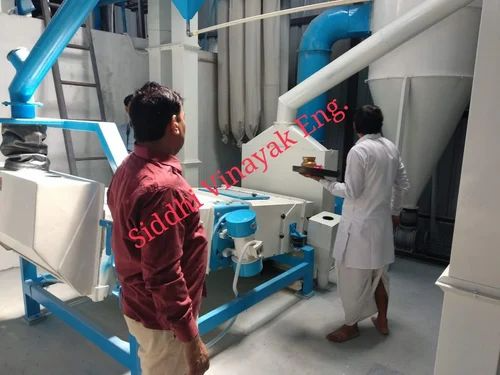
- Vibro Sifter: Separates flour particles according to the required size.
- Conveyor System: Supports the movement of materials throughout the plant.
- Storage Hopper: Holds raw materials or processed flour during different stages.
- Packaging Machine: Helps weigh and pack finished flour for commercial distribution.
When selecting an atta chakki plant machine in India, businesses should evaluate the complete machinery configuration rather than considering only the grinding unit. The compatibility of different machines has an important role in overall plant performance.
5. Benefits for Commercial Flour Mill Businesses
An automated flour milling setup can offer several operational advantages when properly planned and maintained.
Higher Production Capacity: Automated processing systems can support larger production requirements compared with many basic manual setups. Actual output depends on machine specifications, wheat quality, and operating conditions.
Improved Workflow: Connected equipment creates a more organised production sequence, reducing delays caused by manual material transfers.
Reduced Material Loss: Proper conveying, collection, and handling arrangements can help minimise spillage and unnecessary material wastage.
Consistent Product Quality: Controlled grinding and sieving operations support more uniform flour characteristics when machines are correctly adjusted.
Business Scalability: A well-planned plant can provide opportunities to expand production by upgrading equipment or adding suitable processing sections.
Better Operational Management: Automated systems make it easier to monitor different stages and identify areas that require attention.
6. Factors to Consider Before Choosing a Flour Mill Plant
Selecting suitable machinery is an important decision because it affects production capacity, operating expenses, and long-term performance.
Production Capacity
First, estimate how much wheat you plan to process daily. Choose machinery that matches your current requirements while allowing reasonable scope for future expansion.
Wheat and Flour Requirements
Different wheat varieties and flour products may require different processing conditions. Understand the desired flour texture, quality standards, and processing requirements before finalising the equipment.
Available Space
Consider the space required for machinery installation, raw material storage, finished flour collection, packaging, and worker movement. A properly planned layout supports safer and smoother operations.
Power Consumption
Check the power requirements of individual machines and the complete plant. Compare motor specifications and expected energy consumption to understand the operating cost.
Maintenance and Spare Parts
Regular maintenance is necessary for reliable performance. Before purchasing, check the availability of spare parts, technical assistance, and servicing support.
Machinery Manufacturer and Support
When comparing a flour mill machine in India, evaluate the manufacturer's experience, machine specifications, installation assistance, warranty conditions, and after-sales service. A supplier should clearly explain the plant configuration and expected performance rather than making unsupported production claims.
7. Maintenance Practices for Better Performance
Even advanced machinery requires proper care. Regular maintenance helps reduce breakdowns and supports consistent plant operation.
- Clean machines regularly to prevent flour and dust accumulation.
- Inspect belts, bearings, motors, and other moving components.
- Check grinding parts and replace worn components when required.
- Lubricate machinery according to manufacturer recommendations.
- Monitor unusual vibration, noise, or temperature changes.
- Keep electrical connections and safety systems in proper condition.
- Train operators to follow standard operating procedures.
A preventive maintenance schedule can help identify potential problems before they interrupt production. Operators should always follow the equipment manufacturer's instructions for inspection and servicing.
8. Why Modern Flour Milling Technology Matters
Demand for packaged flour and processed wheat products has encouraged milling businesses to improve their production systems. Modern machinery helps businesses organise processing operations, manage increasing workloads, and maintain consistent product standards.
An automatic atta chakki plant can be a useful investment for businesses looking to modernise their flour production facilities. However, the right system should be selected according to actual production needs, available resources, and long-term business plans.
Automation alone cannot guarantee better results. Proper wheat selection, suitable machine settings, trained operators, hygiene practices, and regular maintenance are equally important for successful flour milling.
Conclusion
Automatic flour milling systems have made it easier for commercial businesses to organise wheat processing and improve production efficiency. Integrated cleaning, feeding, grinding, sieving, conveying, and packaging equipment can reduce manual work, support consistent operations, and improve material handling.
Before investing in an atta chakki plant machine in India or a complete flour milling setup, businesses should compare production capacity, machinery specifications, power requirements, installation needs, and after-sales support. Choosing the right equipment and maintaining it properly can help create a reliable and productive flour milling operation.
Frequently Asked Questions
1. What is an automatic atta chakki plant?
An automatic atta chakki plant is a flour milling system that uses connected machinery to clean, grind, sieve, collect, and sometimes package wheat flour with reduced manual involvement.
2. How does an automatic atta chakki plant improve production efficiency?
It improves workflow through automated material handling and coordinated processing. This can reduce manual labour, minimise delays, and support more consistent production.
3. Which machines are required in an automatic flour mill?
Common equipment includes wheat cleaning machines, elevators, grinding machines, vibro sifters, conveyors, storage hoppers, and packaging machines. The exact setup depends on production requirements.
4. What factors should I consider before purchasing an atta chakki plant?
Consider production capacity, flour quality requirements, machine specifications, power consumption, available installation space, maintenance needs, and after-sales service.
5. Is an automatic atta chakki plant suitable for commercial flour production?
Yes. It can be suitable for commercial flour production when its capacity and configuration match the business's processing requirements.